
Poverty and the Cost of Being Unable to Adapt
Maigret and the Dead GirlThis flow traces how Louise’s poverty compounds each setback until ordinary needs become urgent vulnerabilities.
increasing Bearing strength in each event
 decreasing
Bearing strength in each eventdecreasingA Poor Start in Paris

A Poor Start in Paris
A Little Money
Louise arrives in Paris with enough money for only a short period and finds low-paid work. When an employer makes advances, she refuses him and loses the job.
A Narrowing Margin
The loss does not merely interrupt a career; it threatens food and shelter. Louise has little reserve and no family member close enough to absorb the shock.
Work Lost to Social Misfit

Work Lost to Social Misfit
Repeated Employment
Louise finds jobs in offices and shops, but none lasts long. Her poor spelling limits office work, while conflicts with employers and suspicions in a shop undermine other positions.
No Reliable Escalation
She does not know how to negotiate her way through unfair situations, and each loss leaves her poorer. Her failure to adapt is not laziness; it is a mismatch between her directness and a world that rewards more practiced defenses.
Illness without Care
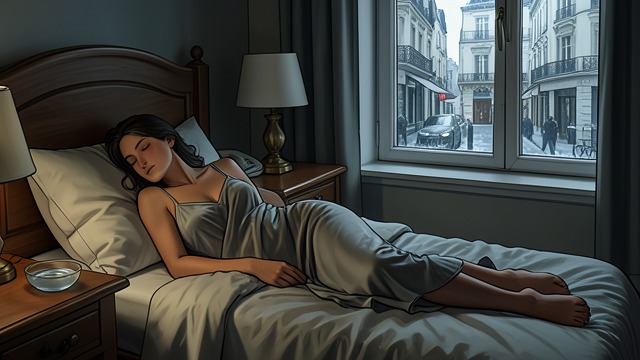
Illness without Care
A Cold in the Garret
Louise works outside in the cold at a cut-price stall on Boulevard Magenta and develops a chest illness. She spends a week in bed alone, without anyone to bring her food or medicine.
The Price of Isolation
A short illness threatens her ability to work and pay for lodging. Poverty makes physical vulnerability more dangerous because Louise has no stable network of care.
Rent Owed and Shelter Lost
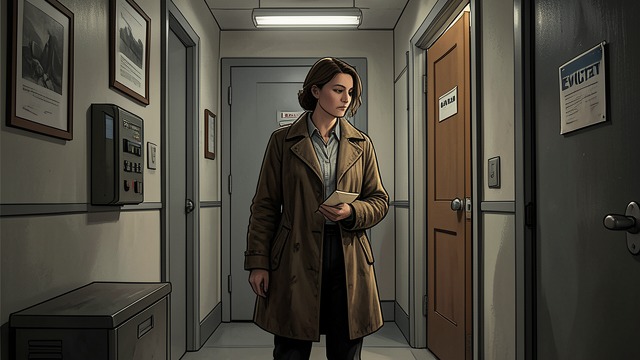
Rent Owed and Shelter Lost
Partial Payment
Louise gives Madame Crêmieux only a small amount toward her rent and promises to pay the rest later. The debt grows while her prospects remain uncertain.
An Eviction at the Edge
Madame Crêmieux finally tells her to leave. The loss of a room reduces Louise’s remaining choices and makes the wedding reception, and the possibility of asking Jeanine for money, newly urgent.
Borrowed Finery and Empty Pockets

Borrowed Finery and Empty Pockets
An Evening on Credit
Louise cannot afford a deposit for the dress, so she leaves her own clothes with Elisabeth Coumar and borrows what she needs. Her few banknotes barely cover the necessities of the evening.
Need Mistaken for Opportunity
The borrowed clothes let Louise enter a wealthy wedding reception, but they do not change her financial position. Her appearance draws her into a setting where the gap between the guests and her own circumstances is stark.
In Louise’s first weeks after arriving
During Louise’s early years in Paris
During the winter before Louise rents on Rue de Clichy
The month before the murder
The murder night, before Louise reaches Le Roméo
